Underground Pipe Installation in Denver, CO
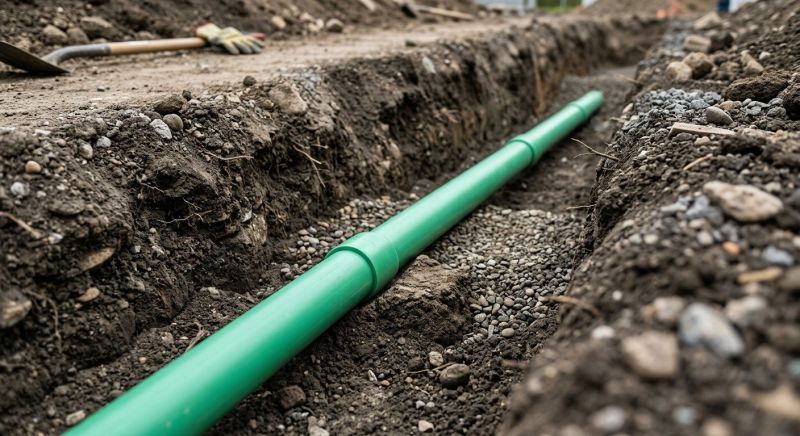
Underground pipe installation services involve placing essential piping systems beneath the surface of a property to support various utilities such as water, sewer, drainage, and irrigation. These projects typically include installing new pipes for home plumbing upgrades, replacing aging infrastructure, or extending utility lines to accommodate property expansions or landscaping needs. Property owners often want to understand the scope of the work, including how the installation will be performed, the types of pipes used, and how the process might impact their property during and after installation.
Before requesting underground pipe installation, homeowners usually seek information about the planning process, including any necessary permits or inspections, as well as the expected duration and potential disruptions. Understanding the depth and routing of the pipes, the materials involved, and the long-term durability of the installation can help property owners make informed decisions. Clear communication about project requirements and site-specific considerations ensures the work aligns with property needs and local regulations.
Many property owners in Denver, CO look into Underground Pipe Installation for repairs, replacements, upgrades, and appearance-related improvements.
Underground Pipe Installation Basics
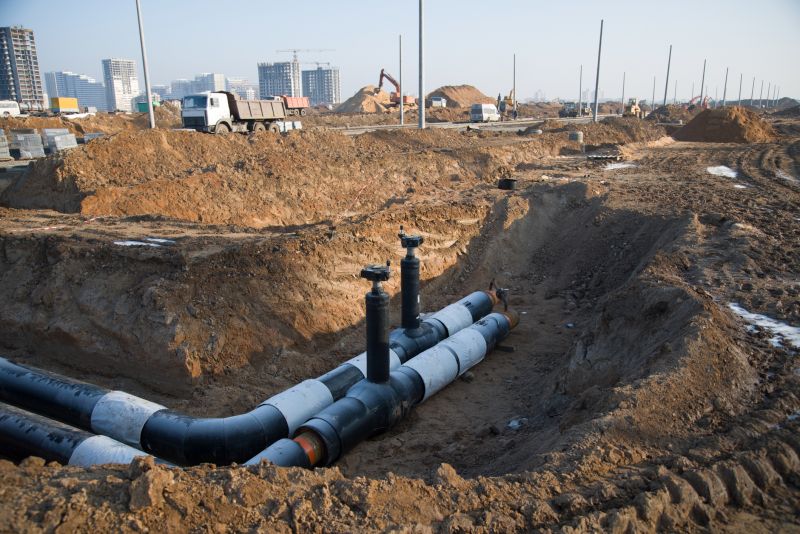
Proper installation helps ensure reliable water, sewer, and drainage systems for residential and commercial properties.
Common Pipe Types And Materials
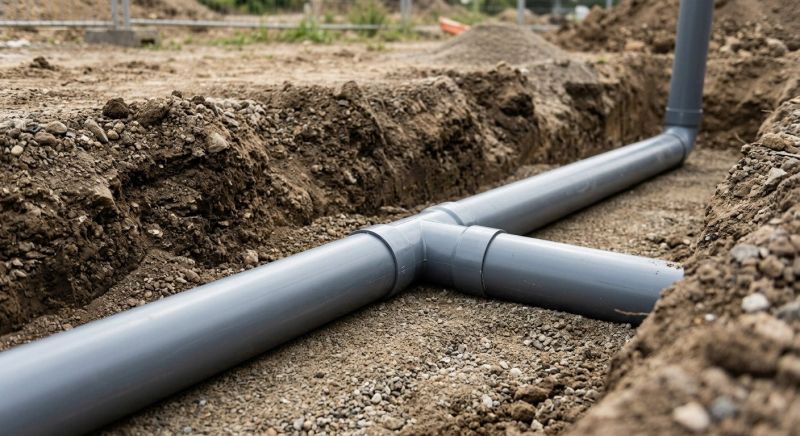
Different pipe materials are selected based on application needs, soil conditions, and local building codes in denver, co.
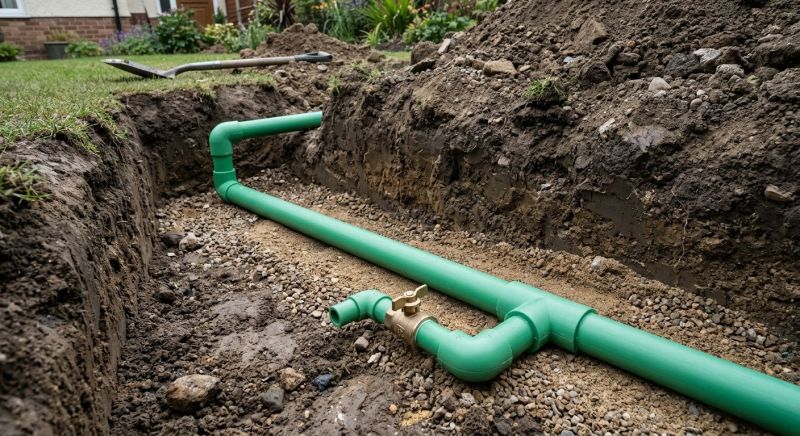
Project Considerations And Planning
Planning for underground pipe installation involves assessing site conditions, avoiding existing utilities, and ensuring long-term durability.
Underground Pipe Installation in Denver, CO

Underground pipe installation services involve placing essential piping systems beneath the surface of a property to support various utilities such as water, sewer, drainage, and irrigation. These projects typically include installing new pipes for home plumbing upgrades, replacing aging infrastructure, or extending utility lines to accommodate property expansions or landscaping needs. Property owners often want to understand the scope of the work, including how the installation will be performed, the types of pipes used, and how the process might impact their property during and after installation.
Before requesting underground pipe installation, homeowners usually seek information about the planning process, including any necessary permits or inspections, as well as the expected duration and potential disruptions. Understanding the depth and routing of the pipes, the materials involved, and the long-term durability of the installation can help property owners make informed decisions. Clear communication about project requirements and site-specific considerations ensures the work aligns with property needs and local regulations.
Many property owners in Denver, CO look into Underground Pipe Installation for repairs, replacements, upgrades, and appearance-related improvements.
Common Underground Pipe Installation Jobs
Underground water line installation - provides reliable plumbing connections for homes and irrigation systems.
Sewer pipe replacement - ensures proper waste removal and prevents costly backups.
Gas line installation - safely delivers natural gas for appliances and heating systems.
Drainage pipe setup - helps manage stormwater and prevent flooding around the property.
Utility pipe installation - supports the underground placement of electrical or communication lines.
Trenchless pipe installation - minimizes surface disruption during pipe replacement or repair projects.
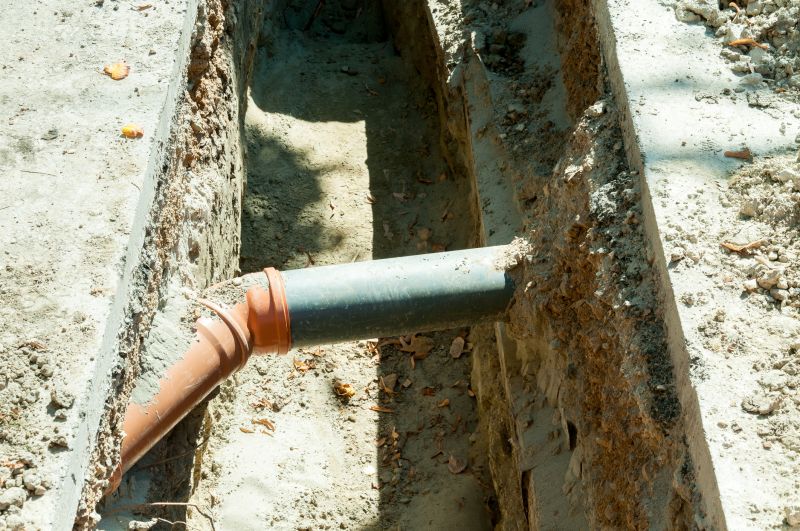
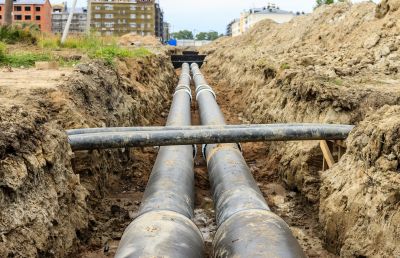
Underground Pipe Installation Questions
What types of underground pipes are installed? Common installations include water lines, sewer pipes, and drainage systems for residential and commercial properties.
Why is proper trenching important for pipe installation? Proper trenching ensures correct pipe placement, prevents damage, and allows for effective backfilling and protection.
How deep should underground pipes be installed? Depth varies based on local codes and pipe type, but generally pipes are buried below frost lines to prevent freezing.
What should property owners consider before pipe installation? It's important to evaluate existing underground utilities, soil conditions, and future access needs for maintenance or repairs.
Request Underground Pipe Installation in Denver, CO
Use the quote form on this page to share the basics of your project and request more information for the type of work you need.