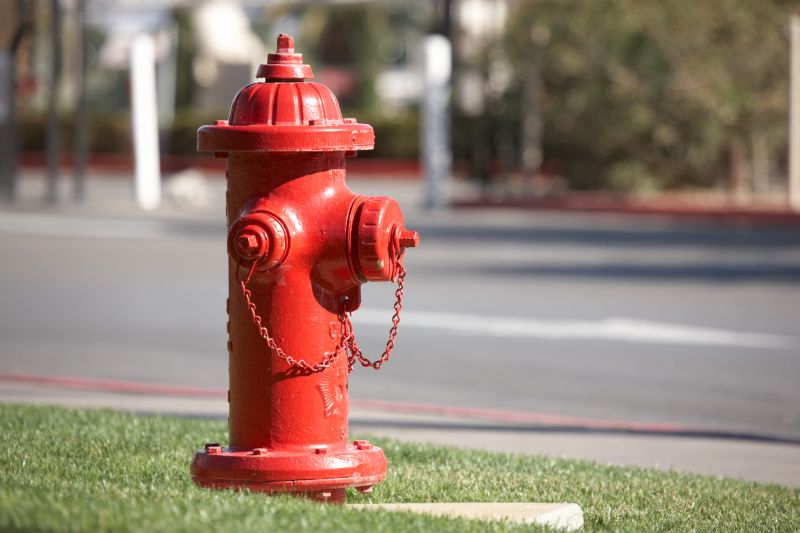
Optimal Timing for Water Hydrant Installations
Understanding the optimal timing for water hydrant installations is crucial for ensuring proper functionality and compliance with local standards. The best time depends on various factors including weather conditions, project scope, and local regulations. Planning installations during suitable periods can reduce delays and ensure the durability of the system.
Spring and early fall are ideal due to moderate weather, reducing risks associated with extreme cold or heat.
Installing during mild weather minimizes the risk of freezing or heat-related issues, ensuring smoother project execution.
Scheduling during periods with fewer permit delays can streamline the installation process.
Climate stability helps prevent weather-related disruptions and ensures system longevity.
Site preparation is essential for a successful installation process.
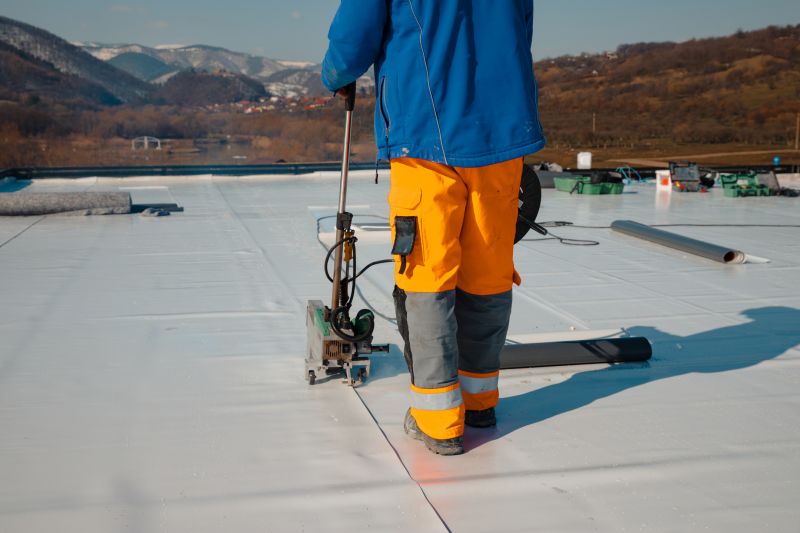
Proper setup ensures efficiency and safety during installation.
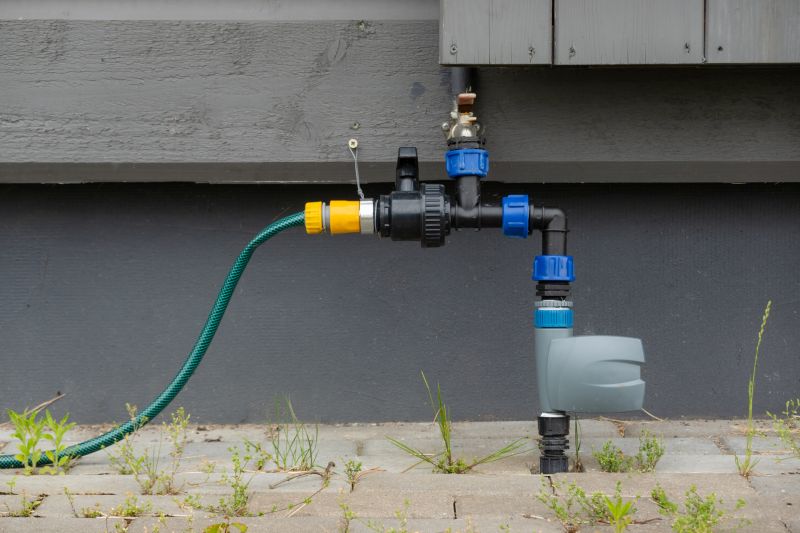
Final inspection and testing are crucial for system reliability.
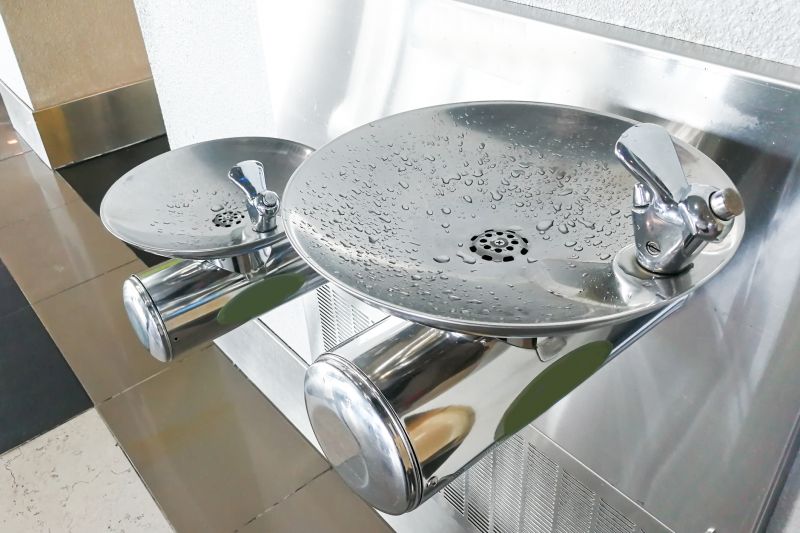
Ways to make Water Hydrant Installations work in tight or awkward layouts.
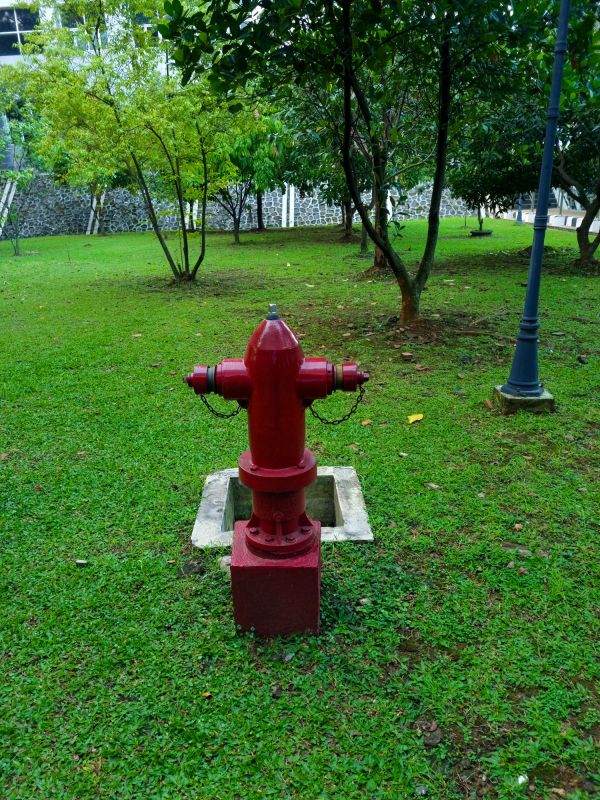
Popular materials for Water Hydrant Installations and why they hold up over time.
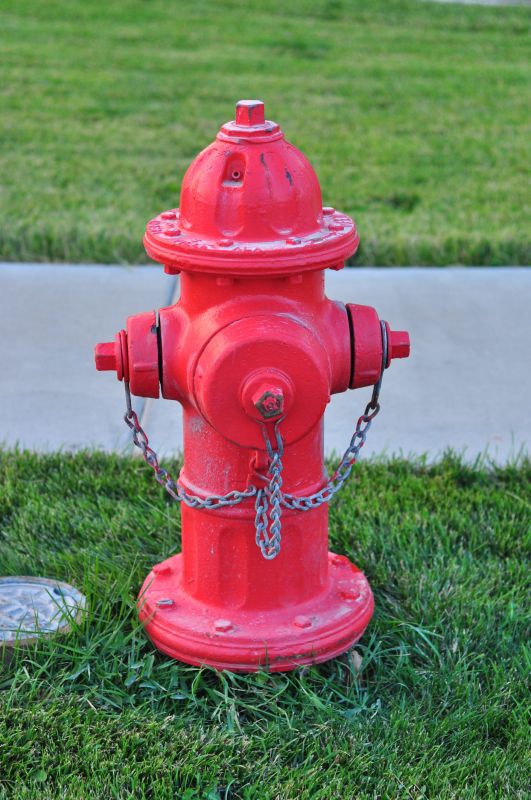
Simple add-ons that improve Water Hydrant Installations without blowing the budget.
| Aspect | Details |
|---|---|
| Best Seasons | Spring and fall are preferred for moderate weather conditions. |
| Weather Risks | Extreme cold can cause freezing, while high heat may affect materials. |
| Project Duration | Scheduling during optimal seasons can shorten installation time. |
| Regulatory Factors | Permitting processes may vary seasonally, impacting timing. |
| Operational Disruptions | Weather-related disruptions are minimized during suitable periods. |
| Coordination with Utilities | Aligning with utility schedules can be easier in certain seasons. |
Water hydrant installations are a vital component of fire safety infrastructure, providing quick access to water for firefighting efforts. Proper planning and timing are essential to ensure system reliability and compliance with safety standards. Installing hydrants during favorable weather conditions reduces the risk of delays, material damage, and operational issues. Accurate site assessment and coordination with local authorities can further optimize installation schedules, contributing to effective fire safety management.
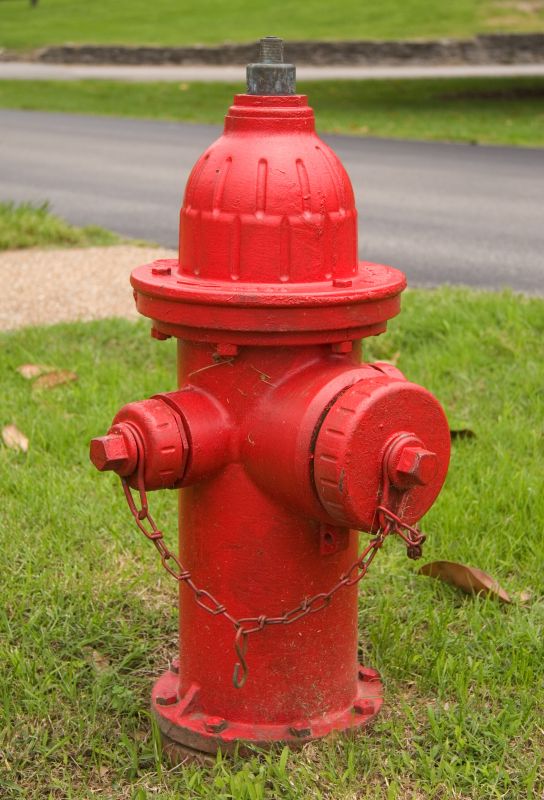
Ensuring functionality through thorough testing.
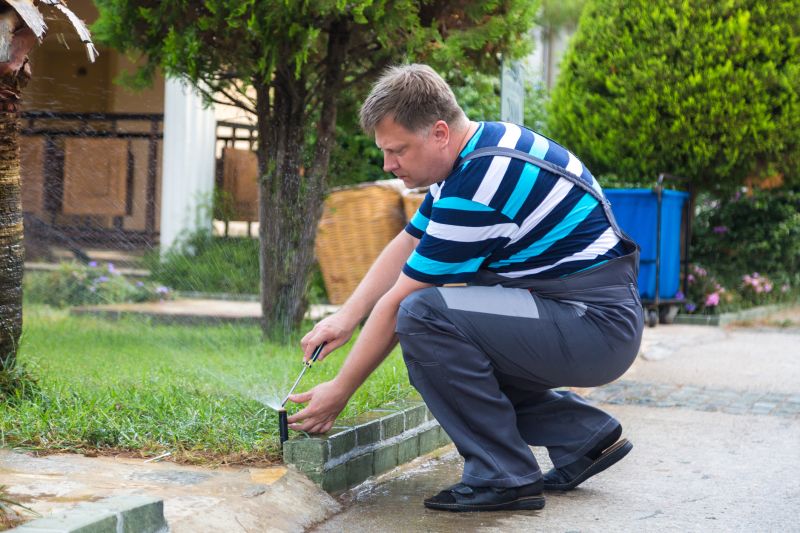
Regular maintenance extends system lifespan.
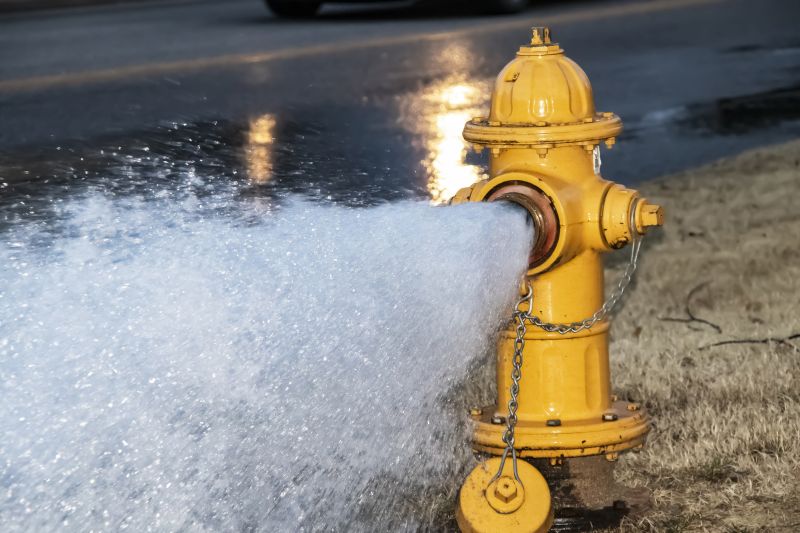
Hydrants ready for rapid deployment.
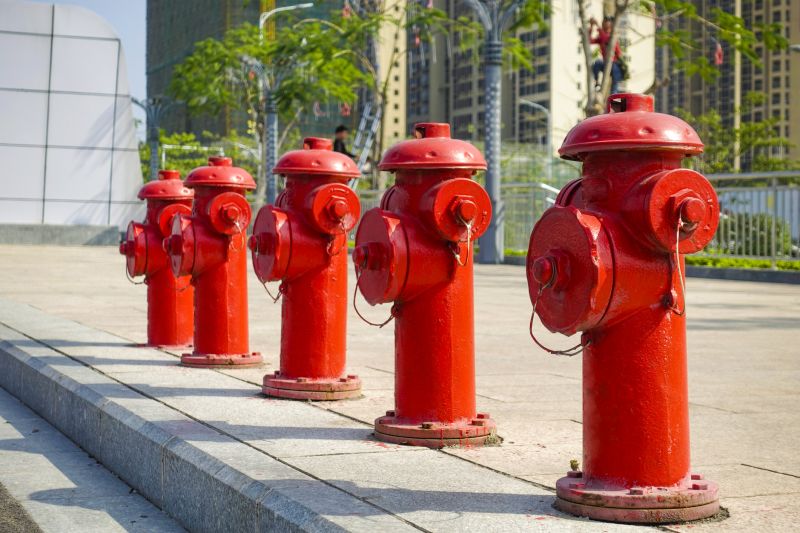
Hydrants as part of urban safety planning.
High-end options that actually feel worth it for Water Hydrant Installations.
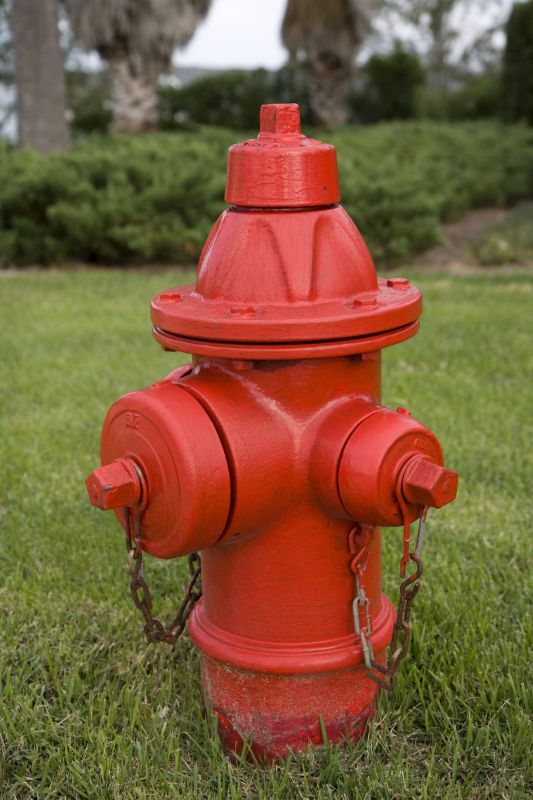
Finishes and colors that play nicely with Water Hydrant Installations.
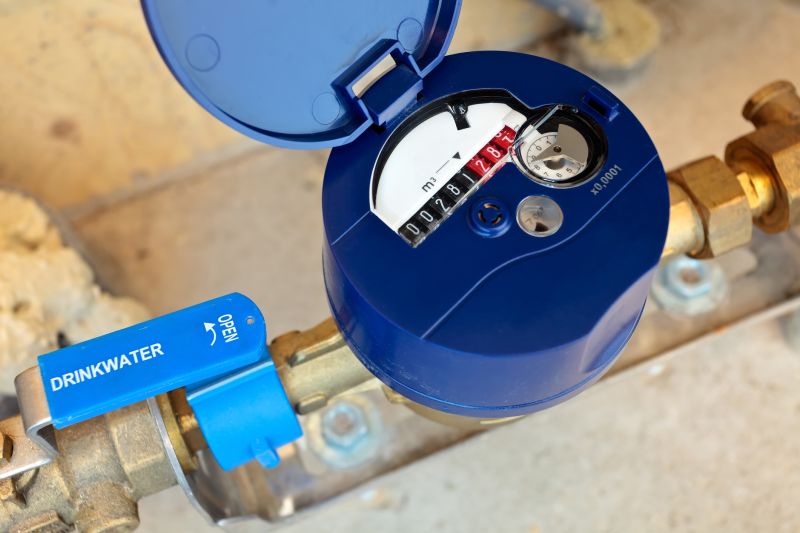
Little measurements that prevent headaches on Water Hydrant Installations day.
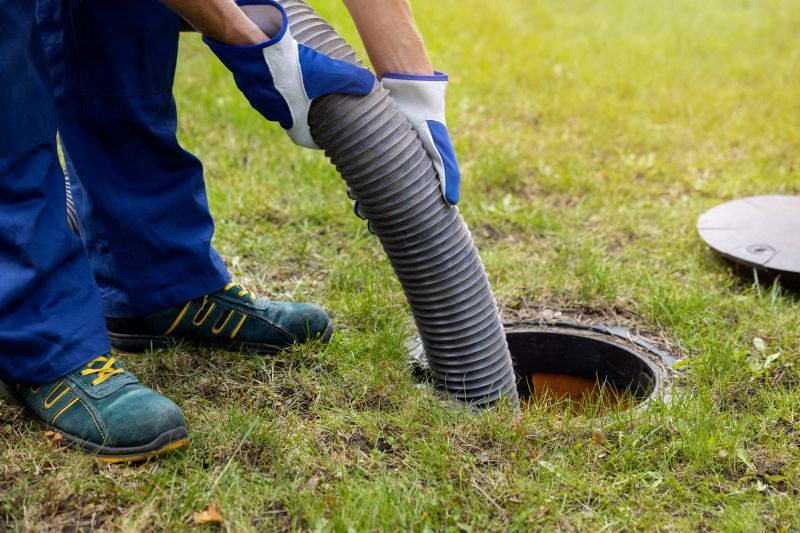
A 60-second routine that keeps Water Hydrant Installations looking new.
Interested in scheduling water hydrant installations or learning more about the process? Filling out the contact form can provide additional information tailored to specific project needs. Proper timing and planning are essential for ensuring the effectiveness of fire safety infrastructure and maintaining safety standards across communities.