Water Hydrant Installation Costs
Understanding the factors that influence installation expenses helps plan and budget effectively for fire safety infrastructure.
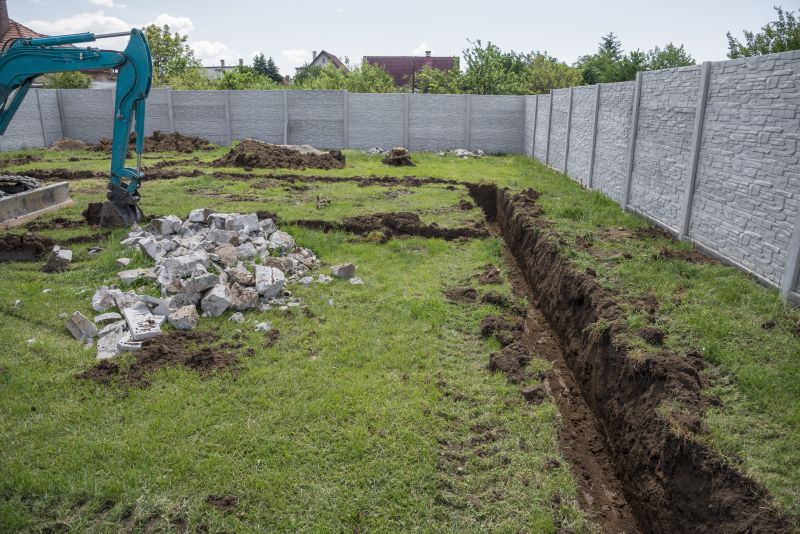
Installation Site Conditions
Site terrain and accessibility can affect excavation and setup costs.
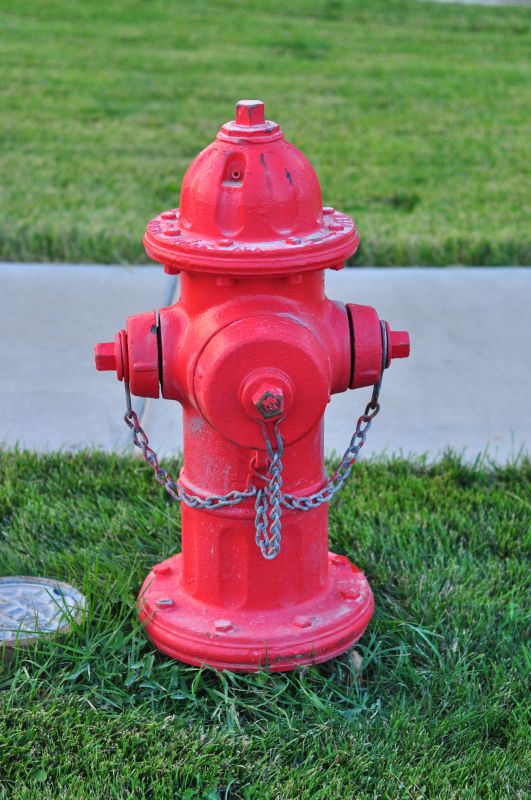
Hydrant Type and Material
Different hydrant models and materials influence the price and durability.
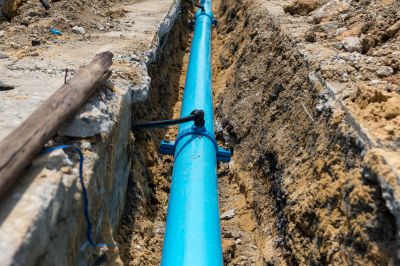
Distance from Water Source
Greater distances increase piping and trenching expenses.
| Factor | Impact on Cost |
|---|---|
| Type of Hydrant | Standard vs. specialized models |
| Location Accessibility | Urban vs. remote sites |
| Depth of Installation | Shallow vs. deep underground setup |
| Site Conditions | Rocky terrain or soft soil |
| Distance from Water Main | Shorter vs. longer piping routes |
| Permitting Requirements | Simple vs. complex approval processes |
| Labor Costs | Variations based on regional rates |
| Material Quality | Premium vs. standard materials |
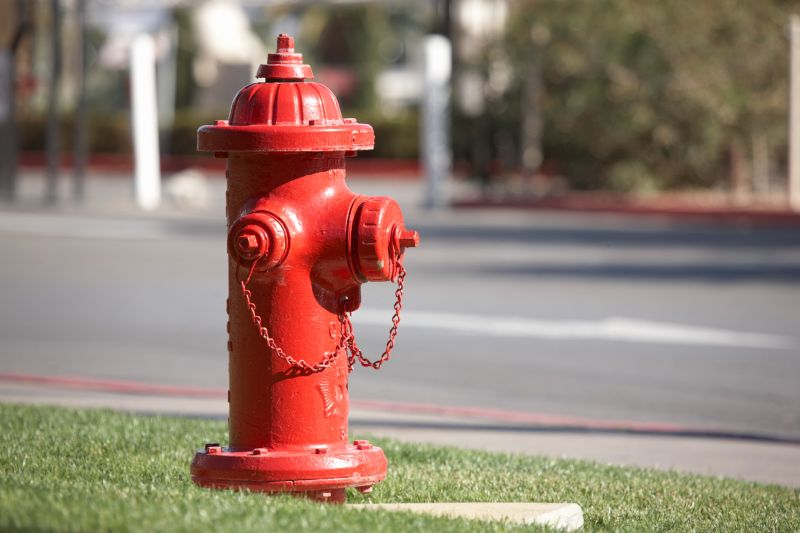
Inside Hydrant Components
Valves, nozzles, and internal mechanisms affect maintenance costs.
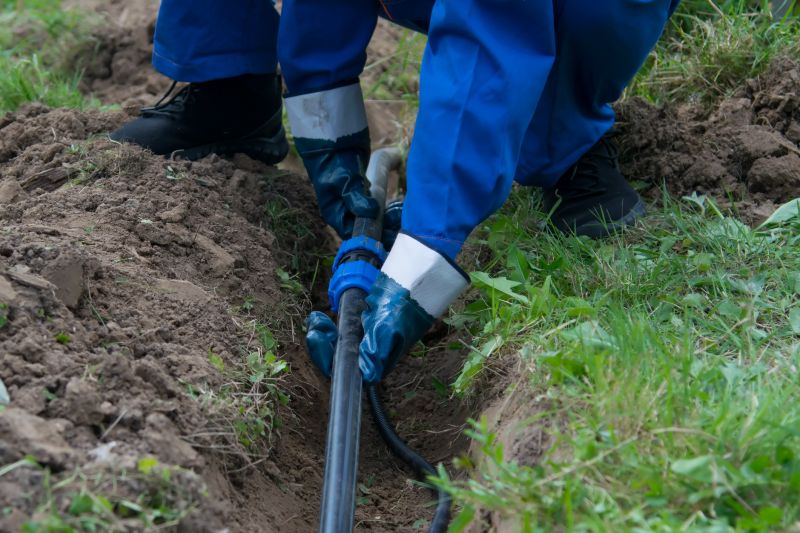
Connection Points
Quality of fittings influences installation and repair expenses.
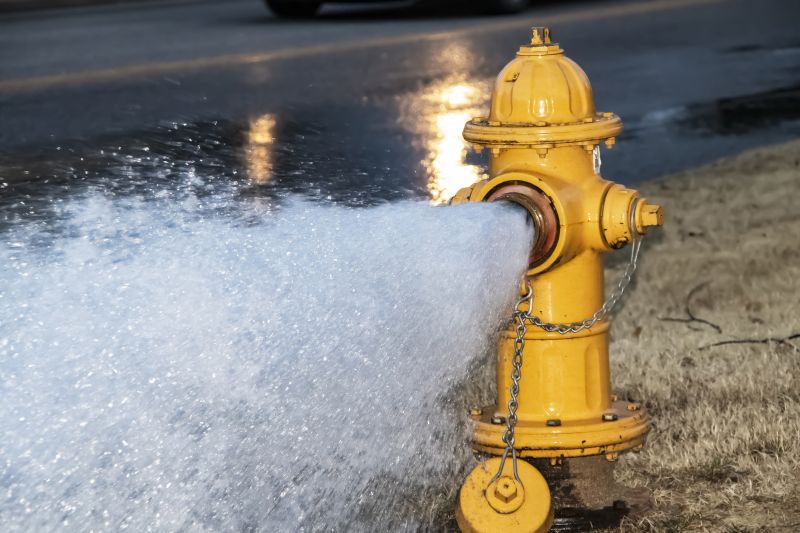
Flow Rate and Pressure
Design specifications impact material and installation complexity.
| Service | Average Cost |
|---|---|
| Hydrant Installation | $3,000 - $5,000 |
| Hydrant Replacement | $1,500 - $3,000 |
| Valve Repair | $500 - $1,200 |
| Piping Extension | $2,000 - $6,000 |
| Inspection and Testing | $300 - $800 |
| Maintenance Service | $200 - $600 |
| Custom Hydrant Design | $4,000 - $8,000 |
| Site Survey | $1,000 - $2,500 |
| Permitting and Inspection Fees | $500 - $2,000 |
| Emergency Repair Service | $1,000 - $3,500 |