
Popular Water Hydrant Installation Products For Safe and Efficient Operations
Discover the most reliable products favored by professionals for installing water hydrants with ease and confidence.
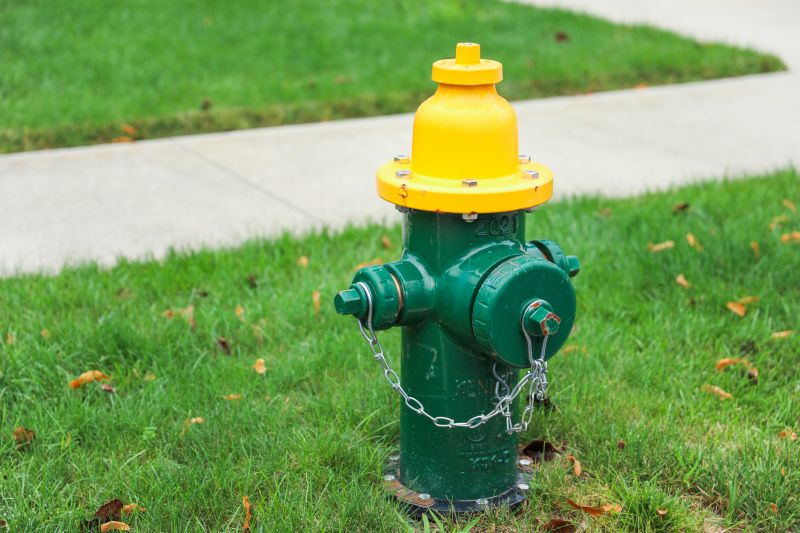 Installing a water hydrant requires careful selection of the right products to ensure reliable performance and durability. The process involves multiple components, including the main valve, piping, fittings, and accessories that facilitate easy access to water for various applications. Proper installation not only enhances functionality but also helps prevent leaks and other issues that can arise from improper setup. When choosing products for water hydrant installations, it is important to consider compatibility with existing plumbing systems, material quality, and ease of maintenance.
Top Overall Option
Heavy-Duty Water Hydrant Valve Kit
This versatile valve kit offers robust construction suitable for various installation environments. It features corrosion-resistant materials, easy-to-operate controls, and compatibility with standard piping systems. Designed for durability and reliable water flow management, it is a practical choice for many applications.
Types of Products For Water Hydrant Installations
Brass Hydrant Valves
Known for durability and corrosion resistance, these valves are suitable for long-term outdoor use.
Stainless Steel Fittings
Ideal for connecting pipes and components with high resistance to rust and environmental wear.
PVC Piping
Lightweight and easy to install, suitable for various water pressure applications.
Flexible Hose Attachments
Provides versatility and ease of use when connecting hoses for watering or cleaning tasks.
Drain Valves
Helps prevent freezing and allows for system draining during off-seasons.
Insulation Kits
Protects pipes and valves from freezing temperatures and environmental damage.
Mounting Brackets
Securely attaches hydrants to walls or posts for stable installation.
Pressure Regulators
Ensures consistent water pressure and prevents damage to the system.
Leak Detection Devices
Helps identify leaks early to prevent water waste and damage.
Backflow Preventers
Protects the water supply from contamination by preventing reverse flow.
Quick-Connect Fittings
Facilitates fast and secure hose connections for various tasks.
Threaded Adapters
Allows for seamless connection between different pipe sizes and types.
Water Flow Meters
Provides accurate measurement of water usage at the hydrant.
Automatic Drain Valves
Automatically releases water to prevent freezing and pressure buildup.
Locking Handles
Provides security and prevents unauthorized use of hydrants.
Flexible Couplings
Allows for easy pipe repairs and adjustments without extensive disassembly.
UV-Resistant Coatings
Protects components from sun damage and prolongs lifespan.
Weatherproof Enclosures
Shelters valves and fittings from the elements for added protection.
Popular Choices
Widely used for their longevity and resistance to corrosion in outdoor settings.
Commonly selected for ease of installation and affordability.
Popular for their strength and rust resistance in various climates.
Frequently used for connecting to hydrants for watering or cleaning.
Favored for their ease of draining and winterization.
Chosen to protect pipes and valves in cold environments.
Popular for secure and stable hydrant installation.
Used to maintain consistent water pressure across systems.
Commonly installed to safeguard water quality.
Preferred for their convenience and secure connection.
Widely used for connecting different pipe sizes efficiently.
Popular for monitoring water usage during operations.
Favored for winterization and maintenance ease.
Chosen for added security in public or shared spaces.
Selected for quick repairs and flexible piping adjustments.
Popular for outdoor durability and weather resistance.
Commonly used to protect critical components from the elements.
Chosen for applications requiring consistent high-pressure flow.
Frequently used to organize hoses connected to hydrants.
A typical water hydrant system consists of a sturdy valve that controls water flow, durable piping that withstands pressure and environmental conditions, and various fittings that connect different parts securely. Additional accessories such as drain valves, insulation, and mounting brackets can improve the overall system's efficiency and longevity. Whether for residential, agricultural, or commercial use, selecting the right combination of components is essential for a successful installation.
Durability and material quality are key factors in product selection. Components made from corrosion-resistant materials like brass or stainless steel tend to last longer and perform better over time. Additionally, compatibility with local water pressure and temperature ranges should be verified to ensure the system operates smoothly. Properly rated fittings and valves help prevent common issues such as leaks, blockages, or pressure drops, contributing to a reliable water supply.
Overall, investing in high-quality, well-designed products for water hydrant installations can lead to a more efficient and trouble-free setup. While the initial costs may vary, choosing products that meet your specific needs and installation environment can result in long-term satisfaction and minimal maintenance requirements. Careful planning and selection are crucial steps toward establishing a functional and durable water hydrant system.
Key Buying Considerations
- Material durability and resistance to corrosion for outdoor use.
- Compatibility with existing piping and fittings to ensure seamless installation.
- Water pressure ratings to match your system requirements.
- Ease of installation and maintenance features.
- Weather resistance, especially in freezing or extreme conditions.
- Appropriate size and threading for your specific application.
- Additional features like leak detection or automatic drainage for convenience.
- Security features such as lockable handles if access control is needed.
- Compatibility with accessories like hoses, nozzles, or flow meters.
- Compliance with local plumbing codes and standards.
- Availability of replacement parts and accessories.
- Ease of operation, especially for frequently used hydrants.
- Cost-effectiveness balanced with quality and durability.
- Environmental conditions that may affect material choice.
- Warranty or support options from the manufacturer.